Plug-In, Hardwired or Battery GPS Tracker: Which Do You Need?
Three kinds of tracker cover almost every job. The right one depends on how long you will keep it, how hidden it must be and whether there is power to use.
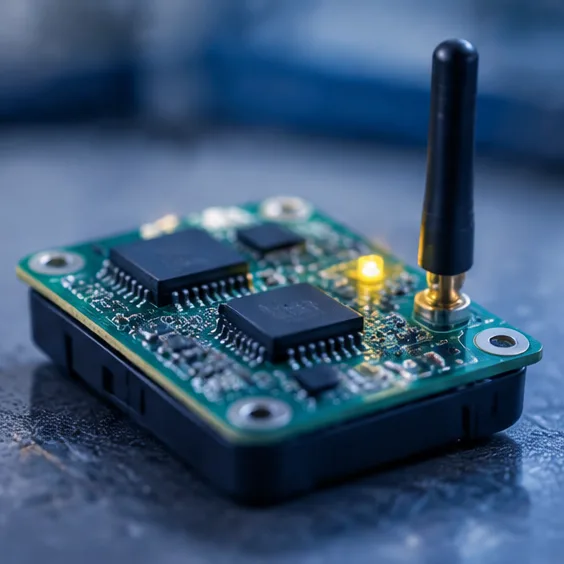
Plug-in trackers
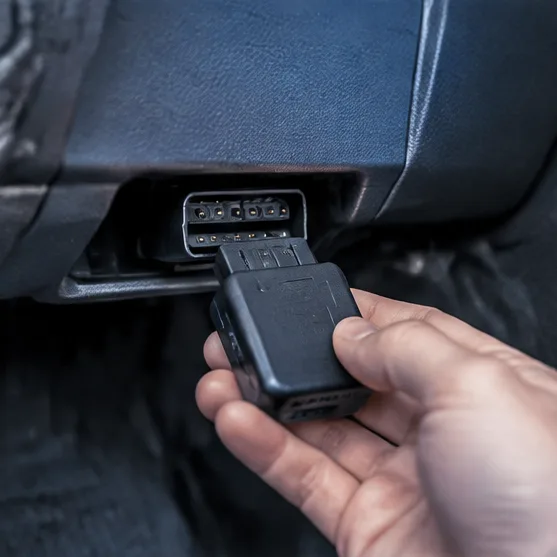
A plug-in tracker goes into the OBD-II port under the dash of most cars and light trucks built since 1996. It installs in minutes and moves easily to another vehicle, but it can be seen and unplugged.
Hardwired trackers
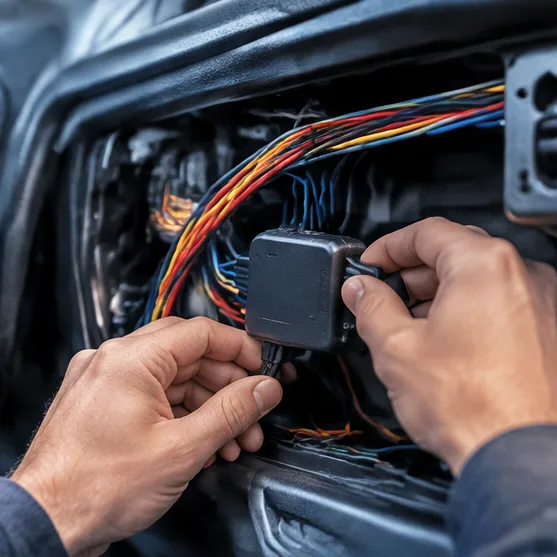
A hardwired tracker is connected to the vehicle's power and hidden in the dash or a panel. It takes a technician an hour or two and is much harder to find, which is why fleets and theft-prone vehicles use it.
Battery trackers
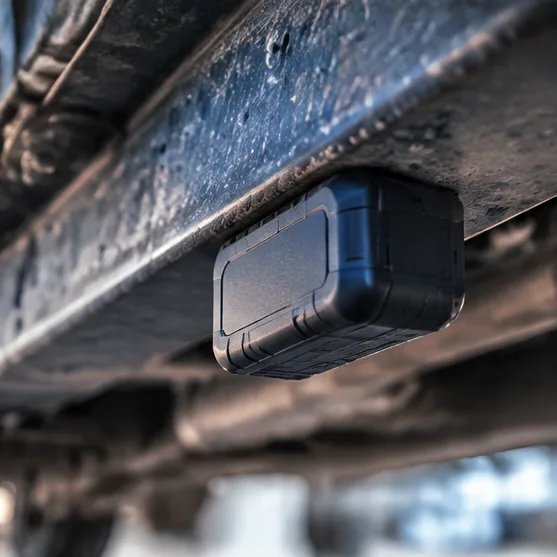
A battery tracker has its own cell, so it can ride on a trailer, in a tool chest or on a classic car with no wiring. Its life depends on how often it reports, from days to many months.
Choosing between them
Pick plug-in for speed and flexibility, hardwired for permanence and tamper resistance and battery where there is no power. Many owners mix all three on one map.
The short version: Plug-in for quick starts, hardwired for hidden and lasting installs, battery where there is no power.
Services for this
Ready to know where everything is?
Call or send the form. You get a clear quote after a few quick questions.